Behavioral Research on Food Waste Reduction for the UC San Diego SYNthesis Department
To determine the impact of current campus administrative efforts on sustainable student behavior, I designed an observational study as part of a four-person team in a research and design role.
Research
Graphic Design
Summary
Role: Lead Researcher and Designer
Team: UC San Diego Seventh College Students (4)
Timeline: 10 weeks (2024)
Tools: Jupyter Notebook, Python, Figma, Canva, GitHub
Audience: UC San Diego SYNposium (Winter 2024)
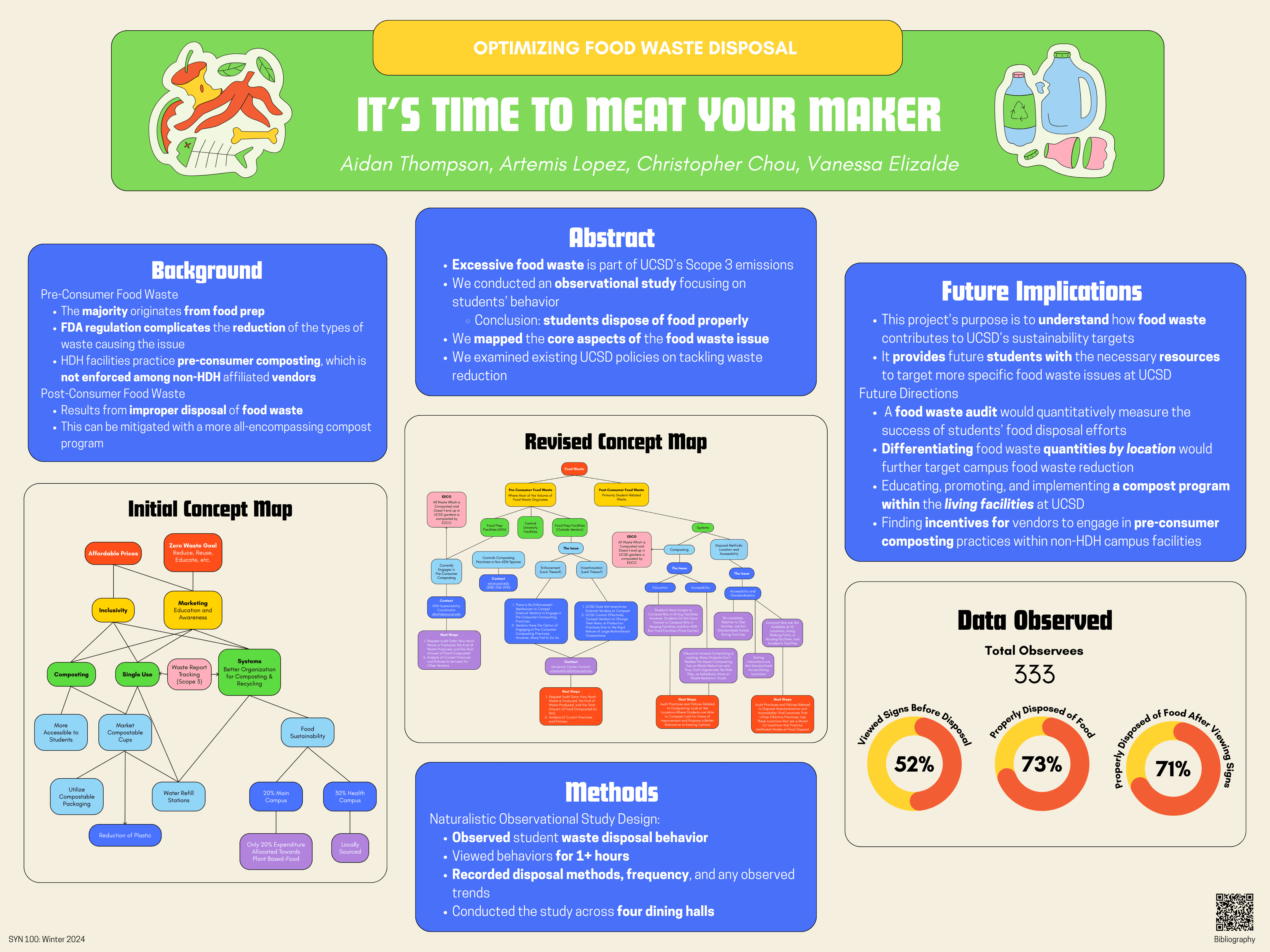
It’s Time to Meat Your Maker was a ten-week research project conducted as part of the Seventh College SYNthesis Program at the University of California, San Diego (UC San Diego), a course focused on student-led initiatives contributing to campus decarbonization goals. Our team, Aidan Thompson, Vanessa Elizalde, Christopher Chou, and I (Artemis Lopez), investigated how students interact with food waste disposal systems in campus dining halls.
As the group’s research and design lead, I designed and implemented our behavioral study, the findings of which we translated into an informational poster presented at the Seventh College SYNposium. Our objective was to understand student waste-disposal behavior and identify opportunities to improve communication and participation in sustainability practices.
The Problem
UC San Diego produces substantial food waste, contributing to Scope 3 emissions. While audits had quantified waste by department, they lacked behavioral data showing how students interacted with disposal systems. The absence of behavioral context limited our ability to design targeted interventions. In guiding the team's research, I developed the following questions: "How does communicating the importance of food waste reduction within Housing and Dining Services (HDH) dining halls translate into mindful student behaviors? How do current HDH policies and practices promote or detract from this message?"
Challenges Identified:
Lack of behavioral data in prior campus waste audits
Outdated records, which limited reliability
Unclear understanding of how signage impacts disposal habits
Disconnect between policy design and student behavior
Fragmented communication between sustainability departments
Research and Methodology
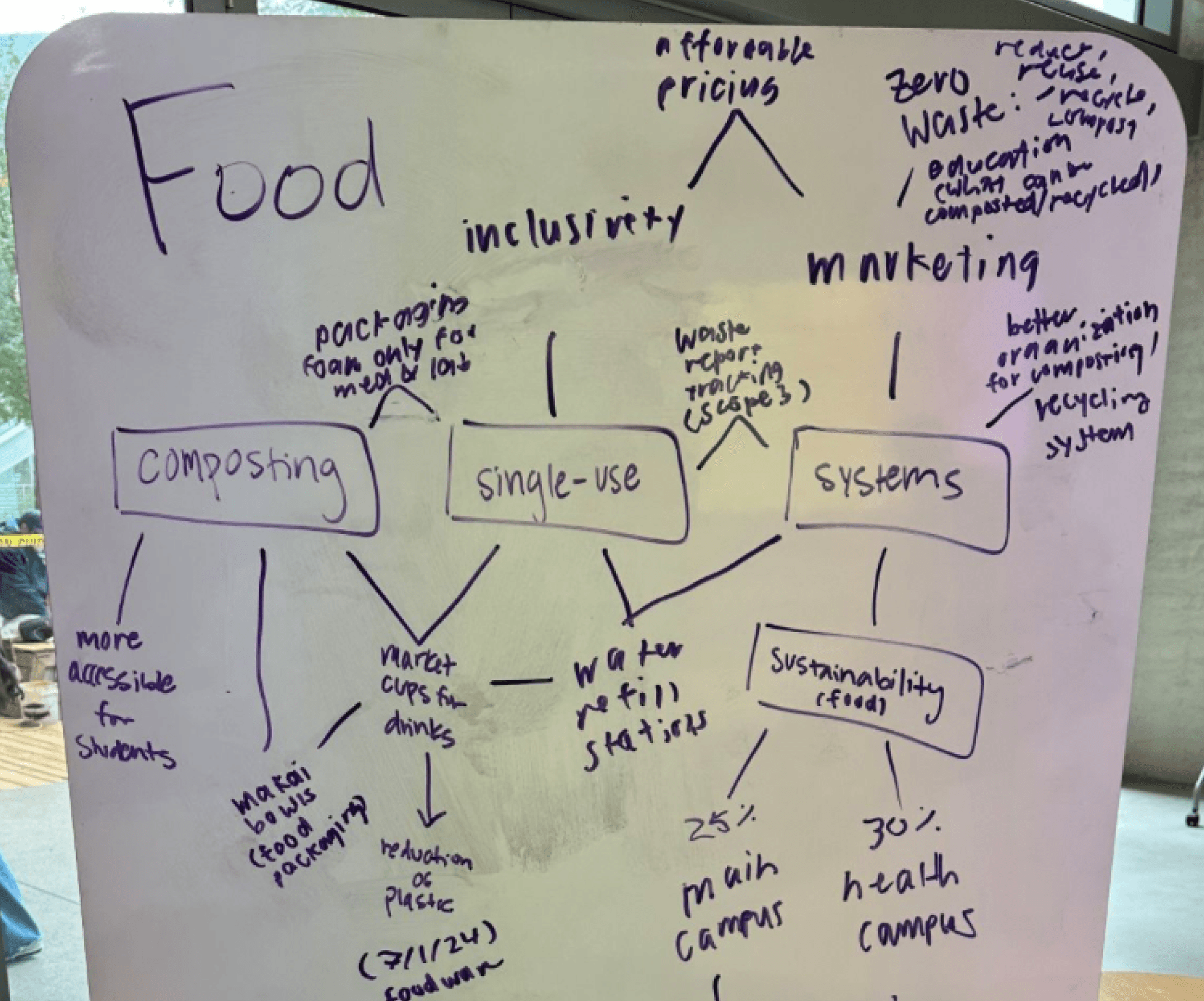
To address the information gap, I proposed and led a naturalistic observational study across multiple UC San Diego dining halls. Each team member observed student behavior for one hour, recording disposal habits, signage visibility, and qualitative notes on engagement or confusion.
We recorded 333 total observations, capturing whether students:
Noticed signage before disposal,
Disposed of food properly, and
Followed sorting guidelines after reading the signs.
I consolidated the data, cleaned inconsistencies, and performed a sentiment analysis on qualitative notes using Python in Jupyter Notebook. Results showed that 73% of students disposed of food properly and 71% followed signage guidelines, indicating that current educational systems were largely effective.
Design Approach and Constraints
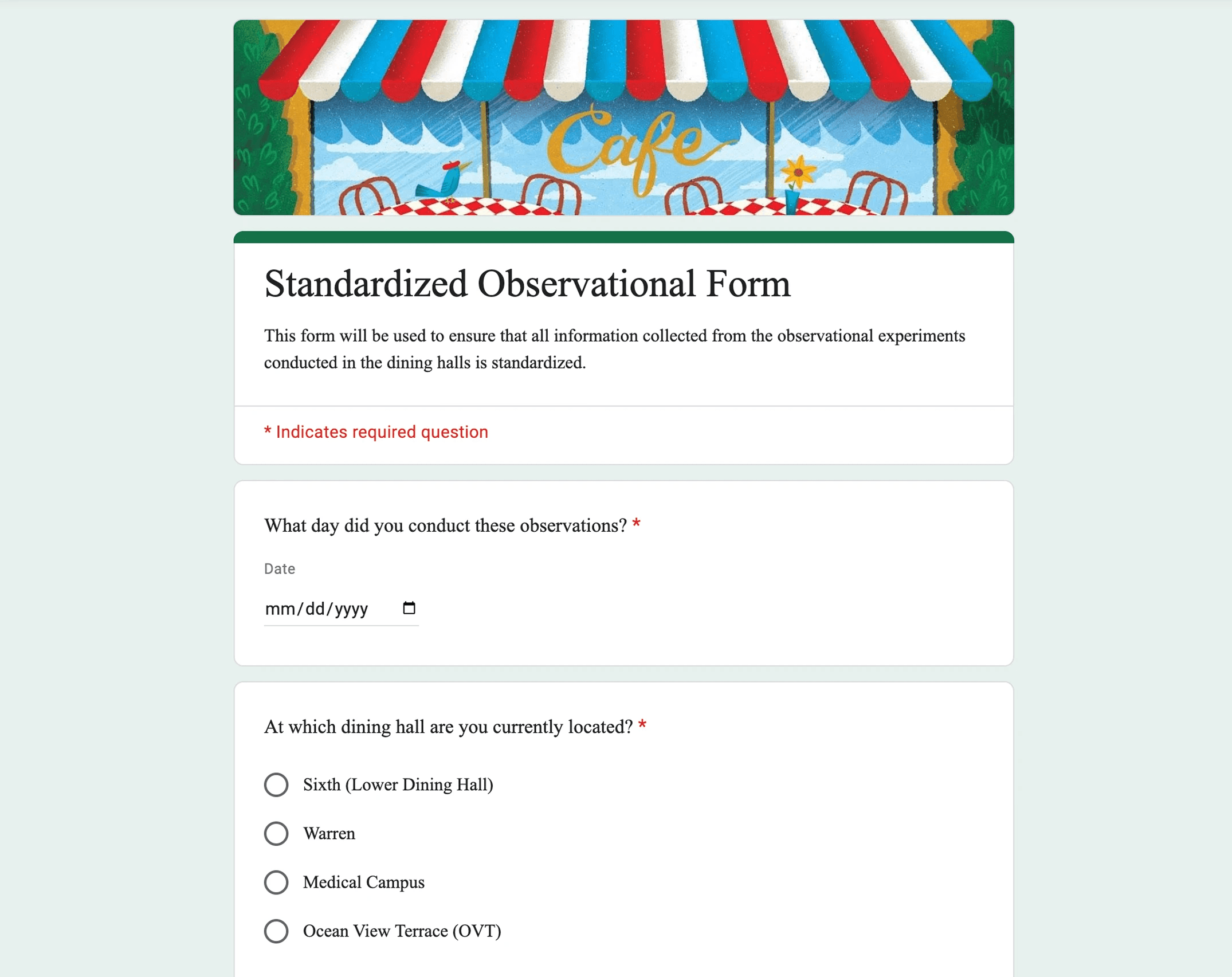
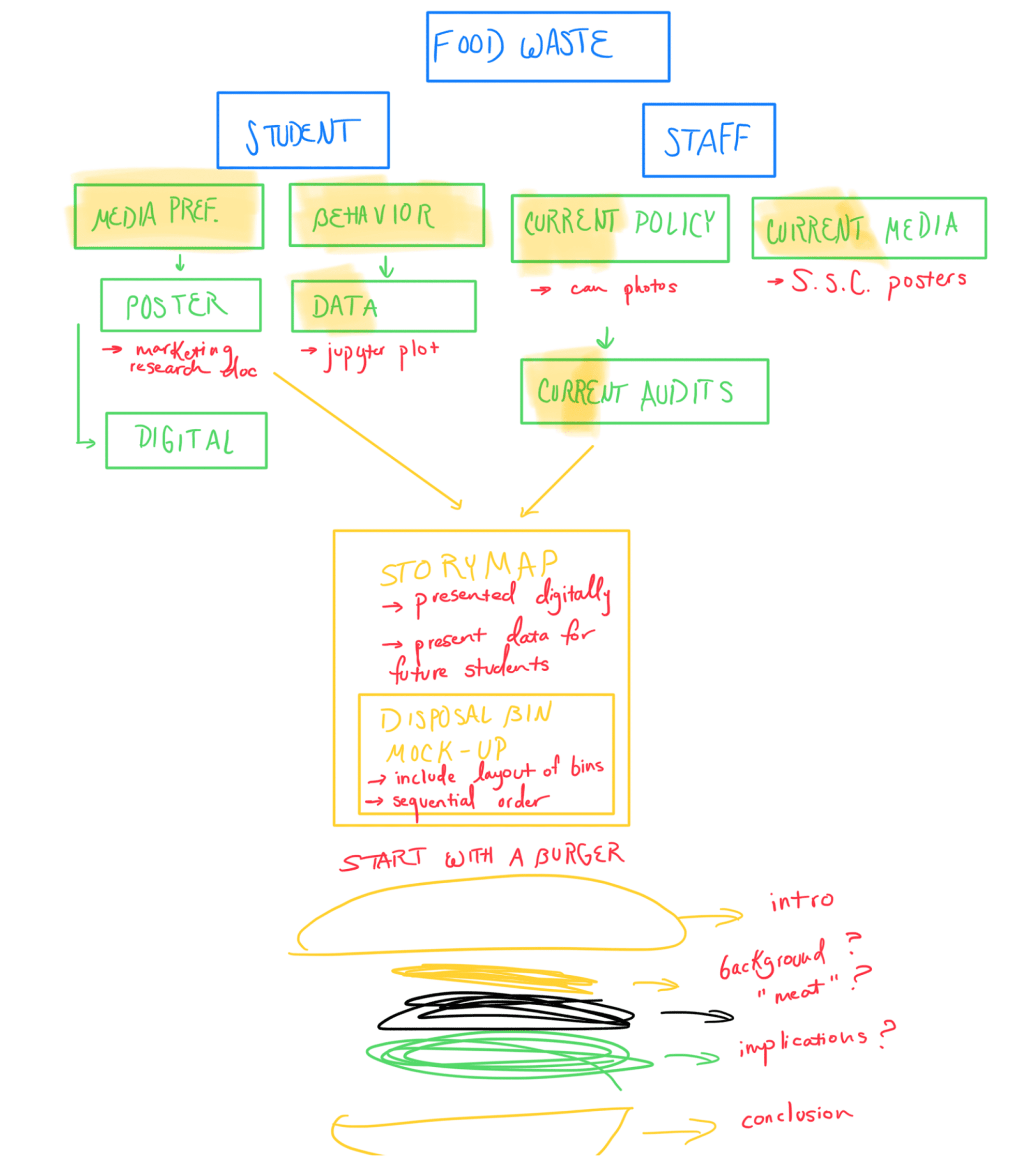
With the data confirming the effectiveness of existing signage, our team shifted focus from a student-centered intervention to a broader, systemic recommendation strategy. The goal became to translate our findings into a visually clear and educational poster that could inform both students and administrators about the next steps in waste management improvement.
I designed the poster layout in Figma before refining it in Canva, balancing visual clarity and accessible color coding. The final poster emphasized audit findings, conceptual mapping, and future implications for campus composting and data collection.
Our research faced limitations in both scope and method. Time restrictions prevented multiple observation cycles, and the study could not control for differences between dining halls or meal times. Additionally, while we prioritized accessibility in our poster design, final color choices were influenced by group consensus and did not fully meet WCAG contrast standards. Despite these factors, the design effectively communicated complex findings to a diverse academic audience.
Findings
73% of students disposed of food correctly
71% followed the signage directions after reading
Food waste reduction signage was confirmed to be effective, but under-measured
Strong potential for pre-consumer waste reform among non-HDH vendors
Need for a quantitative food waste audit to validate behavioral findings
Identified opportunities for education and incentive programs across dining and living facilities
The Final Design
Our final poster presentation at the Seventh College SYNposium drew significant attention from students and administrators. Attendees appreciated the behavioral focus and practical implications for UCSD’s waste reduction goals.
Impact and Reflection
Reflecting on the process, I learned the importance of flexibility in research design, pivoting from intervention to communication when the data dictated. The experience deepened my appreciation for data-driven storytelling, interdisciplinary collaboration, and adapting design goals to meet real-world needs.
Outcomes:
Revealed that behavioral compliance was higher than expected, prompting a pivot in design direction from student education to system-level strategy
Established a behavioral research framework for future campus waste audits and composting initiatives
Demonstrated the value of data-driven visual communication in promoting sustainable practices
Takeaways:
Data-driven design strengthens environmental storytelling
Behavioral observation adds depth to sustainability research
Flexibility and iteration are essential in research-based design
Accessibility should remain central, even in collaborative contexts
Visual communication can make complex systems understandable and actionable
“Good research doesn’t always confirm assumptions; it reveals new directions worth exploring.”
